Silent Spillways
Investigating the hidden environmental cost of unmonitored marine pollution
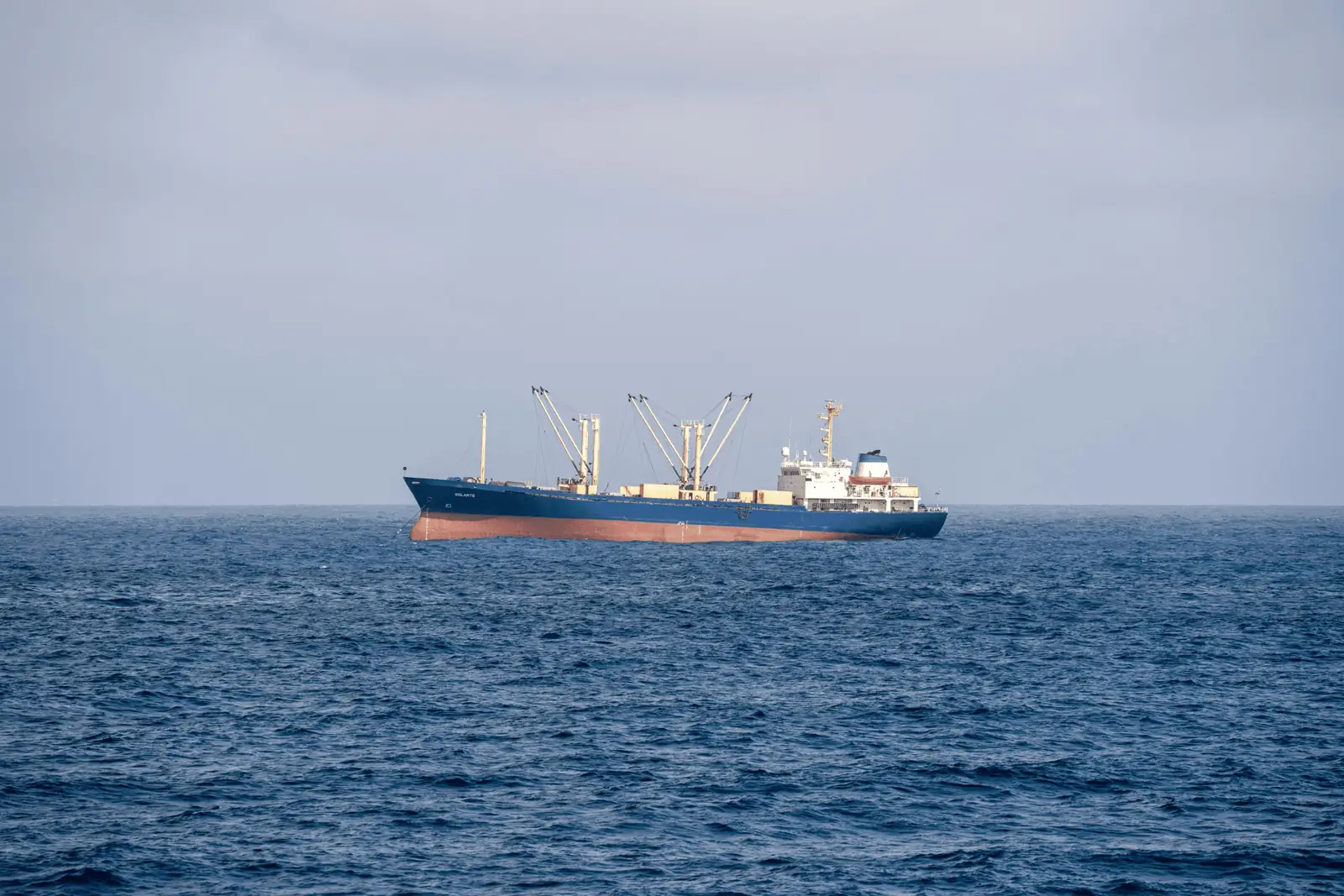
The Mediterranean is one of the busiest maritime corridors in the world. Every day, thousands of commercial vessels, tankers, fishing ships, and industrial support vessels operate across environmentally sensitive waters connecting Europe, North Africa, and the Middle East.
While major oil spills attract international attention, a significant portion of marine pollution occurs through smaller, repeated discharge events that often go undocumented and unresolved.
These incidents include:
- illegal bilge dumping
- unauthorized wastewater discharge
- fuel residue release
- chemical runoff
- operational maritime pollution occurring far from public visibility
The Challenge of Detection
Historically, many maritime pollution events were difficult to identify in real time due to:
- limited coastal monitoring
- fragmented reporting systems
- jurisdictional complexity
- the sheer scale of maritime traffic operating across the Mediterranean basin
Pollution occurring offshore may spread for hours or days before becoming visible from land, reducing the effectiveness of delayed response efforts.
AI-Assisted Environmental Monitoring
MEPA utilizes AI-assisted analysis and open-source intelligence systems to help identify environmental anomalies across maritime regions.
By combining:
- open-source satellite imagery
- AIS vessel tracking
- geospatial analysis
- weather and current modeling
- public-source reporting
MEPA can identify suspicious environmental patterns and reconstruct maritime activity surrounding potential pollution events.
Automated systems help accelerate anomaly detection while improving transparency and environmental accountability.
Why Small Discharge Events Matter
Repeated low-scale pollution events can generate long-term ecological damage that is often underestimated.
Environmental consequences may include:
- sediment contamination
- marine biodiversity decline
- coastal ecosystem degradation
- contamination of fisheries
- increased pressure on sensitive marine habitats
Over time, cumulative pollution exposure can significantly impact coastal communities, local economies, and regional environmental resilience.
The Mediterranean’s Strategic Importance
The Mediterranean represents a uniquely sensitive environmental region due to:
- dense maritime traffic
- semi-enclosed water circulation
- extensive coastal population centers
- ecological biodiversity concentration
Pollution events occurring in one jurisdiction may rapidly affect neighboring coastlines through maritime currents and environmental drift patterns.
Effective environmental protection therefore requires:
- cross-border transparency
- evidence-based reporting
- rapid environmental monitoring capabilities
Building a Transparent Environmental Framework
MEPA’s objective is not only to document environmental violations, but to strengthen operational transparency surrounding maritime environmental activity across the Mediterranean region.
Through AI-assisted monitoring, open-source investigations, and evidence-based reporting, MEPA aims to support:
- environmental accountability
- public awareness
- institutional response
- long-term ecological preservation
As environmental monitoring technology continues to evolve, independent investigative frameworks will play an increasingly important role in identifying ecological threats that would otherwise remain invisible.